

What to Look for When Buying Bulk Ammo Online

Shop High-Quality Ammunition for Sale at Competitive Prices
Ammunition for sale encompasses precisely engineered cartridges—each combining a primer, propellant charge, and projectile—designed to deliver consistent ballistics and reliable ignition in your specific firearm. Selecting the correct caliber and bullet weight ensures optimal accuracy and terminal performance, 5.7x28mm Ammo for Sale whether for target practice, hunting, or personal defense. Fresh, factory-loaded rounds guarantee dependable cycling and uniform velocity, which directly translates to tighter shot groups and predictable point-of-impact at any range.
What to Look for When Buying Bulk Ammo Online
When you’re hunting for ammunition for sale in bulk, first verify the round’s actual cost per round, not just the box price, since shipping and taxes can quietly kill a deal. Check the manufacturer and lot number for consistent quality, and confirm the grain weight matches your firearm’s twist rate or intended use. Look for sealed primers and clean, corrosion-free brass if it’s remanufactured—cracked cases or loose primers are red flags even at a discount. Also, compare the shipping weight to the stated count, as some sellers inflate quantities. Always read recent buyer feedback on packaging, because loose, rattling boxes can dent soft tips or deform polymer rounds in transit. Q: Should you mix brands in a bulk order? A: No—stick to one lot for uniform velocity and point of impact, especially if you’re zeroing a scope.
How to Spot Genuine Factory New vs. Reloaded Rounds
When buying bulk ammo online, the fastest way to spot genuine factory new versus reloaded rounds is to inspect the primer pocket and case headstamp. Factory new ammunition features a uniform, pristine primer that is seated flush or slightly below the case head, with a fresh, crisp headstamp and no signs of extractor marks. Reloaded rounds often show a re-seated primer with a flattened or dimpled appearance, and the case neck may exhibit a faint sizing ring or discoloration from tumbling media. Additionally, reloaded rounds frequently display a mixed headstamp across a single lot, whereas factory new cases are identical. For absolute certainty, check the packaging’s lot number and primer sealant—genuine factory rounds typically include a lacquer or crimp seal, a detail rarely replicated by handloaders. This inspection of primer seating and case uniformity remains your most reliable safeguard against passing off reloads as new.
Reading Ballistic Charts to Match Your Barrel Twist Rate
When buying bulk ammo online, reading ballistic charts to match your barrel twist rate ensures you select projectiles your rifle stabilizes. A slower twist, like 1:12, favors lighter bullets, while faster twists, such as 1:7, handle heavier, longer rounds. Cross-reference the chart’s bullet weight and length with your barrel’s twist ratio before committing to a case. Ignoring this can lead to keyholing or poor accuracy, wasting your bulk purchase. Focus on the chart’s velocity and drop data only after confirming stabilization, since a tumbling round makes those numbers irrelevant. Critical twist-rate matching prevents buying thousands of cartridges that your firearm cannot shoot precisely.
Why Casing Material (Brass, Steel, Aluminum) Changes Your Purchase
The casing material directly affects cost, reloadability, and firearm wear, so it changes your purchase priorities 7.62×51 Ammo for Sale for bulk ammunition. Brass casings are the most expensive but offer superior reliability, easy extraction, and the ability to be reloaded multiple times, making them ideal for long-term investment. Steel casings, often polymer-coated, are significantly cheaper but can cause increased chamber friction and may leave stubborn residue, while their non-reloadable nature lowers per-round value despite initial savings. Aluminum casings sit between the two: they are lightweight, inexpensive, and reliable for single-use range sessions, but they are not reloadable and can sometimes expand stubbornly in hot chambers. Choosing the right casing, therefore, hinges on whether you prioritize reloadability and durability over immediate upfront cost per round.
Matching the Right Cartridge to Your Specific Firearm Platform
When you browse ammunition for sale, the box’s label is a promise, but your firearm’s chamber is the judge. I’ve seen a shooter grab .40 S&W for a pistol stamped .40 SW — fine — but then swap barrels without rechecking the headstamp, and that’s how a case ruptures. Your platform’s exact bolt face, magazine feed lips, and barrel twist rate dictate not just caliber, but bullet weight and overall length. A carbine with a 1:7 twist will stabilize a 62-grain load that a 1:12 twist rifle will keyhole.
Never assume a round fits Ammo Cans & Storage for Sale because the numbers look close; measure your chamber with a cartridge gauge before you buy in bulk.
That’s why, when you see ammo for sale, you match the lot to your specific serial number’s manual — not the generic name. One wrong generation of a platform can mean a headspace difference that turns a sale into a gunsmith bill.
Determining the Optimal Grain Weight for Self-Defense vs. Target Practice
When you’re browsing ammunition for sale, grain weight isn’t just a number—it’s the difference between a round that punches and one that plinks. For self-defense, you generally want a heavier bullet (like 147gr in 9mm or 230gr in .45 ACP) because it penetrates deeper and maintains momentum through barriers, but it also produces more felt recoil that can slow your follow-up shots. Target practice favors lighter grains (115gr or 124gr) since they shoot flatter, cycle faster, and cost less per round, letting you train longer without fatigue. The smart move is to match your carry load’s grain weight to your practice ammo so your point of impact stays consistent. If you shoot defensive hollow points at 147gr but train with 115gr ball, your zero will shift—so buy both in the same weight whenever possible for seamless transitions.
Understanding Bullet Profile: Flat Nose, Hollow Point, or Boat Tail for Feeding Reliability
When buying ammunition 7.62x54R Ammo for Sale for sale, the bullet’s nose shape dictates how reliably your firearm feeds. Flat-nose profiles deliver controlled expansion but often snag on steep feed ramps, especially in pistols—require testing with your specific barrel. Hollow points excel in self-defense but their open cavities can deform lips in finicky magazines; a polished feed ramp or +P loads often solve this, though never assume compatibility. Boat tails, conversely, streamline long-range accuracy but their tapered heels may cause tip-over failures in tubular magazines. Follow this selection sequence:
- Check your firearm’s manual for recommended bullet shapes.
- Test a box of each profile through at least 100 rounds.
- Watch for nose-dive jams or stovepipes under rapid fire.
- Choose the profile with zero malfunctions before bulk purchasing.
Checking Velocity and Pressure Ratings Against Your Gun’s Manual
Before buying bulk ammunition, cross-reference the velocity and pressure ratings printed on the box against your firearm’s manual. Factory loads are pressure-tested to SAAMI or CIP limits, but your specific barrel length, twist rate, and action type alter real-world chamber pressure. If your manual lists a maximum average pressure (e.g., 65,000 psi for .223 Remington) and a specified velocity for a given bullet weight, reject any ammunition that exceeds these figures—even by a small margin. Overpressure rounds can cause premature bolt wear or catastrophic failure. Conversely, underpressured loads may fail to cycle a semi-automatic action. Match the rated muzzle velocity to your manual’s test barrel data (usually 24″ for rifles), then adjust for your shorter barrel. A
| Manual Spec | Check Against |
|---|---|
| Max pressure | Box’s CUP/PSI label |
| Velocity @ barrel length | Manufacturer’s stated fps |
ensures you only purchase lots that stay within your gun’s engineered tolerance.
Practical Storage and Handling Tips for Your Stockpile
When your ammunition for sale arrives, prioritize a cool, dry environment—ideally below 75°F with under 50% humidity—to prevent powder degradation and primer corrosion. Store boxes upright in sealed ammo cans with silica gel packets, avoiding direct floor contact to minimize temperature swings. Rotate your stockpile using a first-in, first-out system, marking purchase dates on each can. Handle rounds by the rim or case body, never the primer, and 7mm PRC Ammo for Sale avoid oil or solvents near your stash, as they can seep into primers. Always inspect for bullet setback or tarnished cases before loading a magazine. Q: Should you mix different brands of ammunition for sale in one can? A: No—keep lots separated to track performance and potential recall issues consistently.
How to Keep Primers and Powder Stable in Humid Climates
In humid climates, moisture is the primary enemy of both primers and smokeless powder, so your priority is controlling ambient humidity inside your storage area. Keep components in their original sealed containers, and place desiccant packs 5.56 Ammo for Sale inside any bulk storage canisters to absorb residual moisture. For long-term stability, store these items in an airtight ammo can with a rubber gasket, adding a rechargeable silica gel pack and monitoring it monthly. Stable ammunition storage humidity should stay below 50 percent, so consider using a dehumidifier in the room or closet where you keep your stockpile. Avoid temperature swings that cause condensation, and always let containers acclimate to room temperature before opening them. Follow this sequence:
- Seal primers and powder in original or airtight containers.
- Add desiccant packs to each container.
- Place containers inside a gasketed ammo can.
- Monitor humidity with a hygrometer and recharge desiccants as needed.
Selecting Ammo Cans and Desiccants to Prevent Corrosion
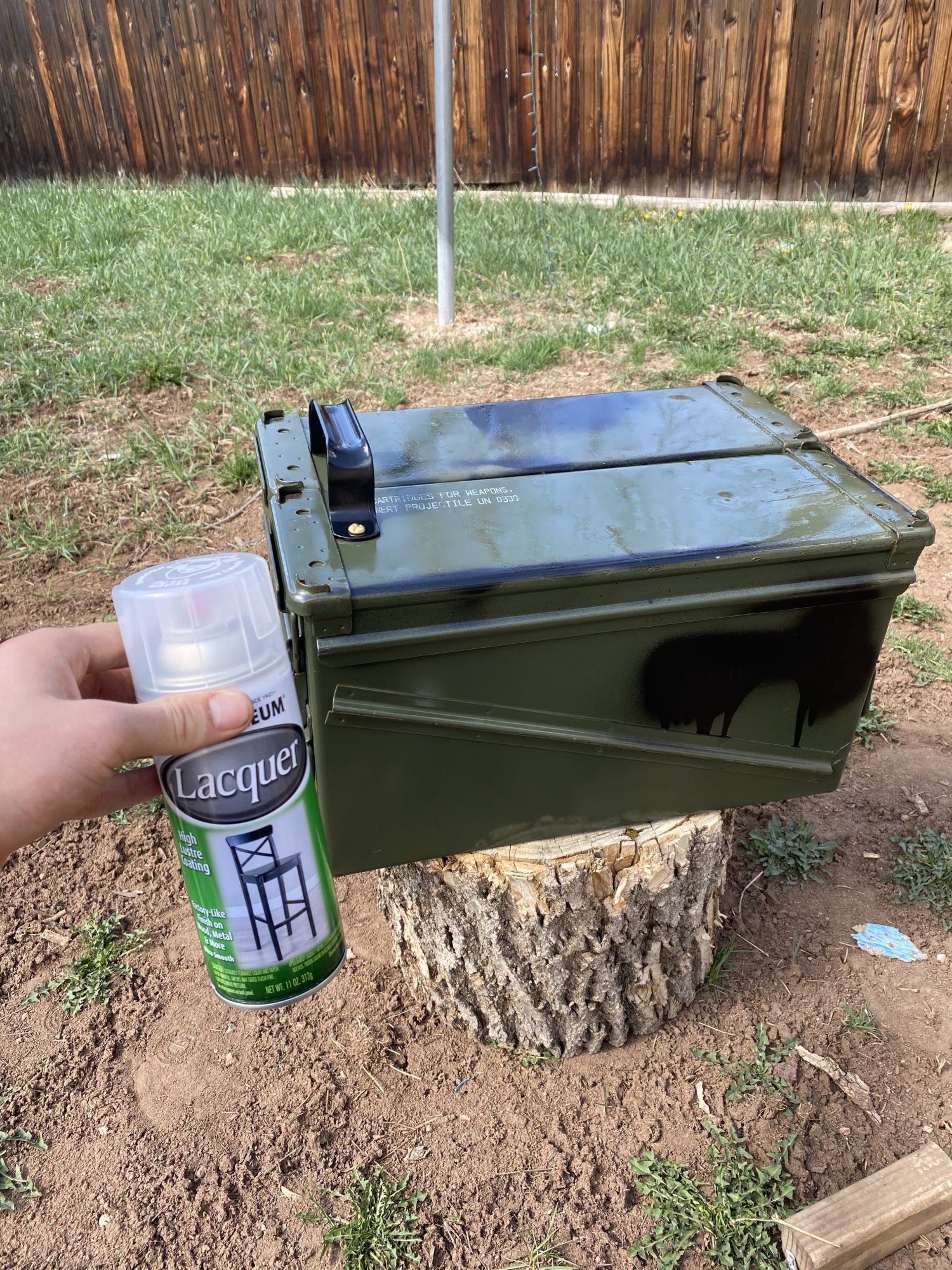
When selecting ammo cans, prioritize heavy-duty steel models with a rubber gasket seal, as this creates the primary barrier against humid air. Avoid surplus cans with rusted edges, since compromised seals negate corrosion protection. Pair each can with a reusable silica gel desiccant pack, but activate it by baking at 250°F for two hours before first use to ensure maximum moisture absorption. For long-term storage, use two desiccant pouches per 50-round box capacity, placing one at the bottom and one against the lid. Crucially, never leave desiccant in direct contact with brass casings; wrap pouches in breathable cloth or suspend them in a mesh bag. Recharge the desiccant every six months or whenever the indicator crystals change color, and always test the can’s seal by closing it on a piece of paper—if the paper slips out easily, the gasket is failing. This approach ensures moisture-free cartridge preservation within your stockpile.
Rotating Your Inventory to Keep the Oldest Rounds Fresh
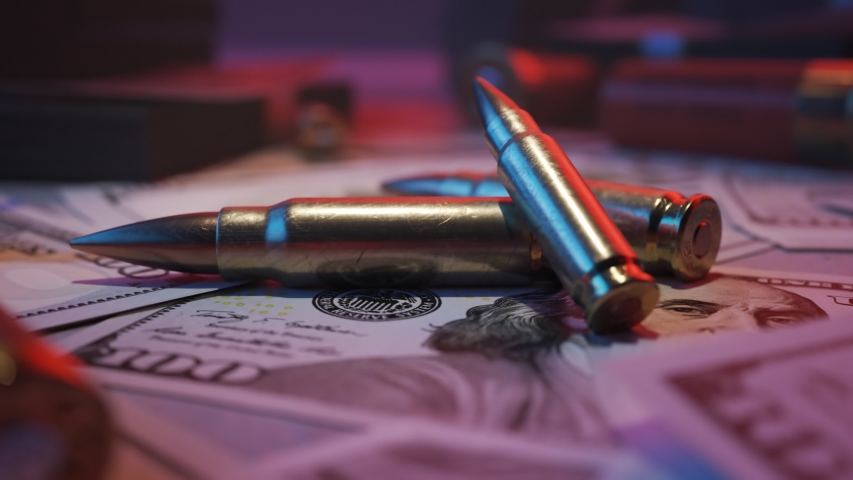
Adopt a strict first-in, first-out discipline with every box you bring home from ammunition for sale. Place newly purchased rounds behind older stock on your shelf or in your ammo can, so your hand automatically reaches for the oldest boxes first. Rotate by lot number and date of manufacture, not just purchase date—mark each box with a permanent marker. When heading to the range, deliberately grab the deep-stored inventory, firing those cartridges before they experience prolonged temperature swings or humidity cycles. This practice prevents corrosion, primer degradation, and powder breakdown that silently affect untouched rounds. For bulk purchases, open one case at a time and redistribute the older rounds into your daily-use magazine pouches. Stockpile turnover keeps your entire cache specialty sports & supply ballistically consistent, avoiding misfires from aged primers.
Rotating your inventory ensures the oldest rounds are always shot first, preserving the freshness and reliability of your entire stockpile.
Comparing Pricing Per Round to Maximize Your Budget
When evaluating ammunition for sale, always calculate the **true cost per round** by dividing the total box price by the round count, not just the shelf tag. A 50-count box at $25 is $0.50/round, while a 20-count box at $12 is $0.60/round—bulk packaging often hides a lower per-unit cost. Compare same grain and bullet type across brands, since lighter projectiles usually cost less per round but may require more shots to zero. Ask yourself: *“If I buy 500 rounds at $0.48/round versus 200 rounds at $0.42/round, which serves my practice ratio better?”* The answer hinges on your actual training volume—avoid overstocking on cheap rounds that fail reliability tests in your firearm. For same-box-count brands, divide both prices by the same count to expose the real difference. Prioritize per-round savings only when the lot’s performance matches your defensive or competition standards.
Calculating Shipping Costs and Minimum Order Thresholds for Free Delivery
When comparing ammunition prices, the true cost per round only emerges after factoring in delivery. Free shipping thresholds often require $150–$200 in ammo, so consolidating your purchase to cross that line can slash effective costs by 8–12%. Always calculate shipping per box before adding to cart, since heavy calibers like .308 incur higher fees. To master this: first, list your desired calibers and round counts; second, compare total costs across two or three vendors including their minimum thresholds; third, add filler items like targets or magazines to hit the free delivery mark if the price delta justifies it. Never assume bulk equals savings—a heavier order may spike shipping beyond the threshold benefit.
Using Bulk Case Quantities (500, 1000, 5000) to Lower Per-Unit Cost
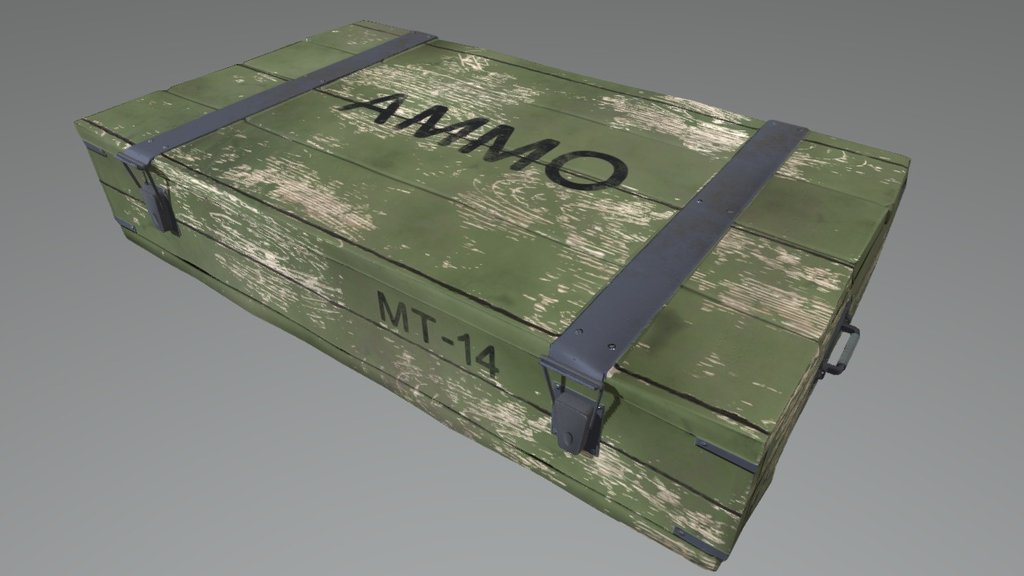
Stepping up to bulk case quantities—500, 1000, or 5000 rounds—is the fastest way to slash your cost per round for bulk ammunition. Retailers discount heavily at these thresholds because packaging, shipping, and handling costs amortize over more units. You’ll typically see a 10–20% price drop between a 50-round box and a 500-round case, with the biggest savings locking in at 5000 rounds. To maximize value:
- Calculate your monthly training volume, then buy the case size 7.62×39 Ammo for Sale that covers at least three months—this avoids overstocking.
- Compare the per-round price across 500, 1000, and 5000 counts; the gap often justifies the larger upfront spend.
- Split a 5000-round case with a shooting partner if storage is tight, but always confirm the dealer’s bulk pricing applies to the full order.
This bulk purchasing strategy keeps your per-trigger-pull cost low while ensuring you never run dry mid-practice.
Discount Programs for First Responders, Veterans, or Large-Volume Buyers
When comparing pricing per round, first responder and veteran ammunition discounts can reduce costs by 5–15% at major online retailers like Target Sports USA or Ammo.com, provided you submit verified ID.me or GovX credentials. Large-volume buyers often unlock tiered pricing—for example, purchasing 10+ cases of 5.56mm drops the per-round cost below bulk retailers’ base rates. Some stores stack these discounts with free shipping thresholds, so combine a veteran code with a 1,000-round order to maximize savings. Always cross-check that the discount applies to your specific caliber, as some programs exclude premium defensive loads or pre-order batches.
Identifying Subsonic Loads for Suppressed Shooting Sessions
When comparing ammunition for sale, identifying subsonic loads for suppressed shooting sessions starts with verifying the projectile’s velocity stays below roughly 1,050 feet per second at the muzzle, avoiding the supersonic crack that defeats a suppressor’s purpose. Check the box’s stated FPS, but also weigh heavier bullets—typically 200–220 grains in .300 Blackout or 147–150 grains in 9mm—since mass naturally slows the round. Some retailers list “subsonic” loosely, so cross-reference the manufacturer’s spec sheet rather than trusting the label alone. For your specific firearm, test two or three candidate loads through your can, noting any cycling issues or inconsistent accuracy. Subsonic load verification for suppressed shooting demands this hands-on confirmation before you bulk-buy. Q: How do I spot subsonic ammunition in a crowded online catalog? A: Filter by grain weight and look for explicit “subsonic” tags, then confirm the velocity figure—if it’s absent, request the data before purchasing.
Selecting Low-Recoil Options for New Shooters or Competition Drills
When you’re shopping for ammunition for sale, picking low-recoil options for new shooters or competition drills can stretch your budget without killing your shoulder. For beginners, a lighter load like a 115-grain 9mm or a .38 Special wadcutter keeps flinch away, so you’re not wasting rounds on bad habits. In competition, reduced-recoil rounds help you stay on .17 HMR Ammo for Sale target for faster follow-up shots, meaning you burn fewer cartridges per drill. Check the box for “low flash” or “target” labels when comparing price per round—they often cost the same as standard loads but save you money by improving accuracy early on. Test a small box first to confirm your gun cycles smoothly before buying bulk.
Testing Different Brands Side-by-Side to Find Your Barrel’s Favorite Group
Buying a single box of several brands from the same ammunition for sale lot is the only way to isolate barrel preference from lot variance. Shoot five-round groups from a cold barrel, allowing full cooling between strings, and record group sizes on a target sheet. Ignore point-of-impact shifts; focus purely on group diameter. A barrel that prints a 0.8-inch group with one budget brand and a 1.5-inch group with a premium brand proves budget wins for your rifle. Repeat the test twice on different days to confirm consistency before stocking up. Finding your barrel’s favorite group eliminates wasted ammo dollars.
Q: How many rounds per brand are needed for a reliable side-by-side test?
A: Five rounds per group, repeated twice, gives enough data without overheating the barrel or skewing results due .17 WSM Ammo for Sale to throat erosion from prolonged rapid fire.